
Heart disease is still the world’s leading cause of death, so it’s important to be aware of any symptoms your body may be showing. Here are five obvious signs that your heart may not be in good health. Spend some time learning about them and comprehending their meaning so that you can take the necessary precautions.
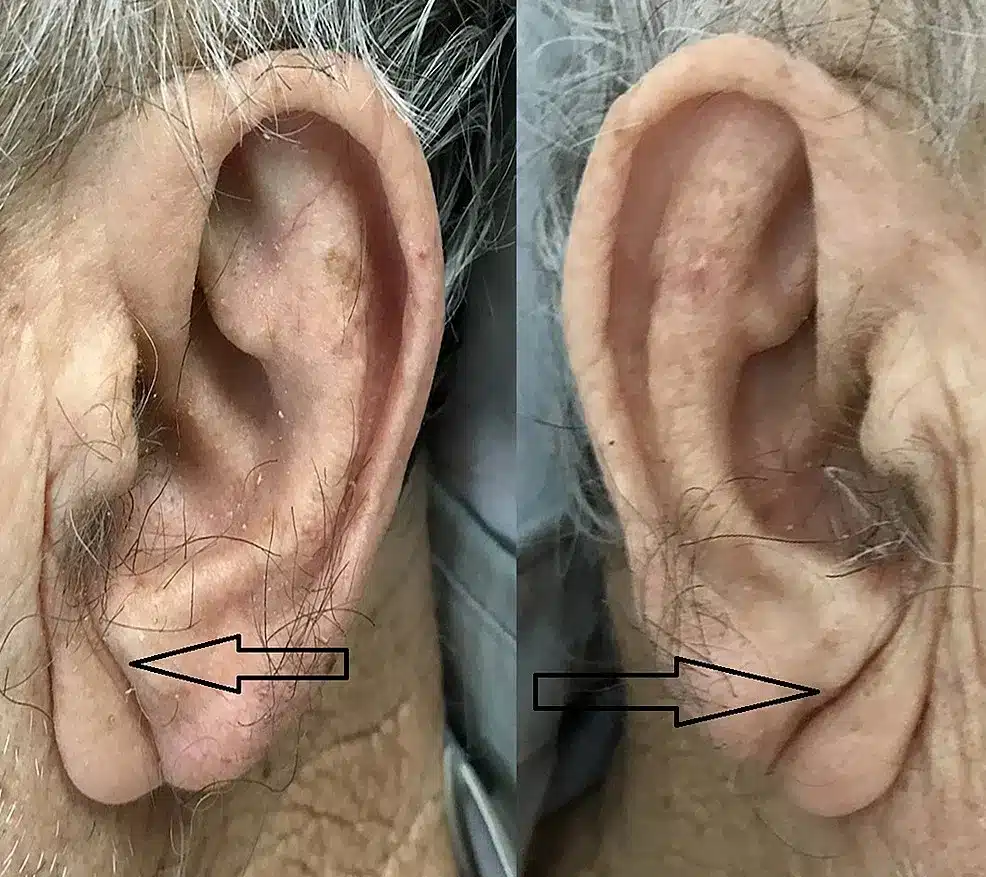
1. The Sign of Frank
The “Frank sign,” which is the diagonal crease on the ears, is one of the frequently missed but possibly telling indicators. A blockage of the coronary arteries may be indicated by this diagonal line that runs from the top to the bottom of the ear.
Medical research has linked this fold to issues with the heart arteries. Future heart issues could be avoided by keeping an eye out for this sign.
It’s important to remember, though, that not all people with this marker have arterial blockage. Approximately 70 out of 100 individuals with this fold may be suffering from a severe arterial blockage. Pay close attention if you see this fold before your forties.
2. Loss of Leg Hair
Loss of hair on your legs may be a sign of peripheral arterial disease (PAD). PAD is comparable to a plaque accumulation in the leg arteries that obstructs blood flow.
Hair loss may result from insufficient oxygen and nutrients. Although hair loss on its own is not a reason for alarm, it may be one of the initial indications of a more significant issue. To have your blood circulation evaluated, it is best to speak with your physician.
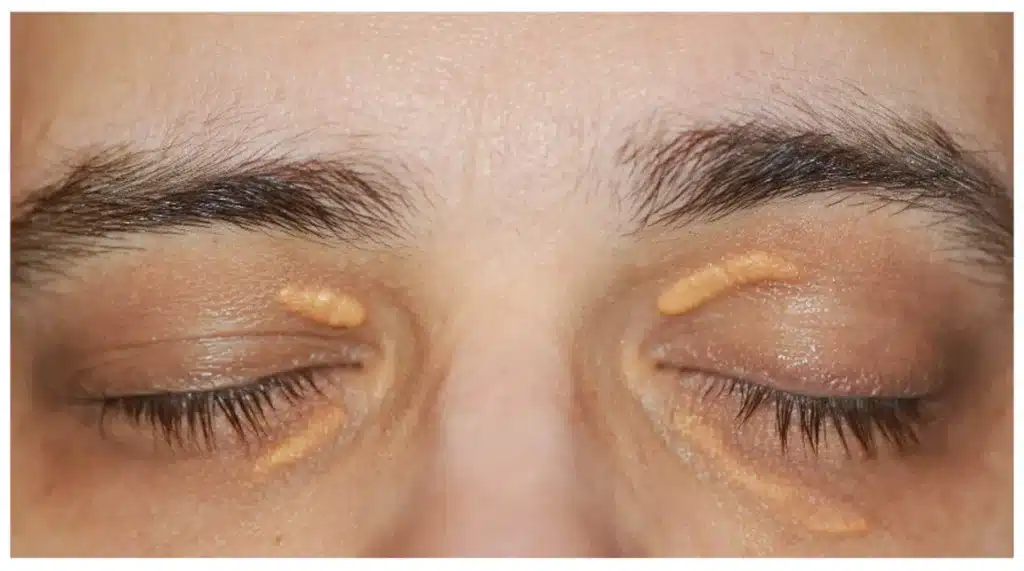
3. Xanthelasma
Yellow patches surrounding the eyes, mostly on the upper lids, are the hallmark of xanthelasmas. This may indicate elevated cholesterol. An elevated risk of heart disease may be indicated by the accumulation of these patches.
It is wise to let your doctor know if you see these marks so they can check your cholesterol and evaluate the state of your heart.
4. The Senile Arch
Elderly people frequently have arcus senile, a deposit that develops on the cornea’s edge. It may, however, be a sign of severe dyslipidemia, or unstable blood fat levels, in younger individuals.
If you see this arch before you get old, take note of it and see a specialist.
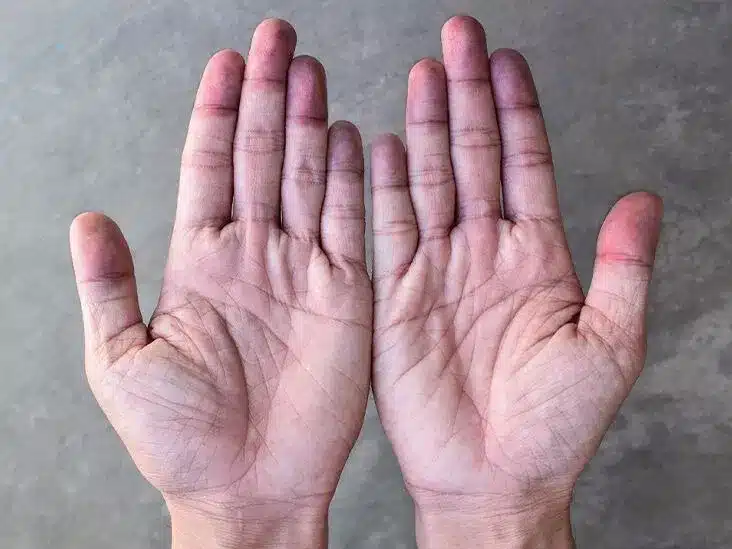
5. Cyanosis of the skin
Low blood oxygenation causes cyanosis, which is characterized by bluish or purple skin. It may be restricted to the skin overall, the lips, or the fingers. It may indicate a lung or heart issue.
Consult your physician and don’t disregard this indication. Cyanosis, whether central or peripheral, can be a sign of heart or lung issues.
If you or someone you know is experiencing these signs, it is crucial to seek professional medical advice.