
Age Spots & Hyperpigmentation
As we age, our skin undergoes various changes. Among these, many people over the age of 50, and sometimes younger, experience age spots. These spots may result from an overproduction of melanin due to prolonged sun exposure or genetic factors. Hyperpigmentation, or the darkening of skin in certain areas, can also be caused by sun exposure, hormonal changes, or inflammation.
To address these conditions, early treatment is crucial, and prevention is key. Using sunscreen with a minimum SPF of 30 every day, regardless of the weather, wearing sunglasses, hats, and protective clothing, can help prevent these spots from forming.
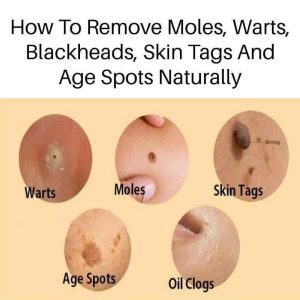
For those that have already appeared, there are some natural remedies that might help, though results can vary:
- Aloe Vera: A 2012 study suggested that aloin, a compound found in aloe vera, may have natural depigmentation properties. Applying aloe vera to affected areas before bed and rinsing it off in the morning might help, but further research is needed to confirm its effectiveness.
- Apple Cider Vinegar: Contains acetic acid, which can help exfoliate the skin and lighten dark spots. However, it should be diluted before use to avoid skin irritation, and its long-term effectiveness is not well-established.
- Orchid Extracts: While orchid extracts are believed to help reduce dark spots, there is limited scientific evidence to support this claim.
- Green Tea Extract: Known for its antioxidant and anti-inflammatory properties, green tea extract may help reduce age spots and hyperpigmentation. However, results can vary.
- Black Tea: A study on guinea pigs suggested that black tea might help lighten dark spots, but there is no solid evidence from human studies to confirm this.
Even though these remedies use natural ingredients, it’s important to do a patch test before applying them to your skin to check for any adverse reactions.
Skin Tags>
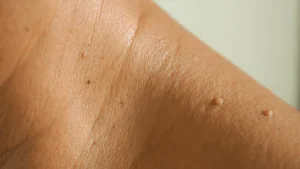
Some natural remedies that people often try at home include:
- Tea Tree Oil: Due to its natural antibacterial and antiviral properties, diluted tea tree oil can be applied to skin tags. However, scientific evidence supporting its effectiveness is limited, and it’s important to use it with caution.
- At-Home Freezing Kits: These kits use a cryogenic substance to freeze and destroy the tissue of the skin tag. It’s essential to follow the instructions carefully and avoid contact with healthy skin.