With Gene Hackman’s passing, the world has lost more than just a legendary actor—it has lost an entire era of Hollywood.
Hackman belonged to a generation of actors who didn’t just play roles; they lived them. His performances were visceral, raw, and unapologetically real. In an industry now saturated with polished, PR-managed stars, his authenticity feels irreplaceable.
Hollywood still has its share of talented actors, but let’s be honest—none of them are Gene Hackman. In an era where many stars are more known for their Instagram presence than their filmography, Hackman was different. He never sought the limelight. He was in it for the art, often portraying flawed, complex characters with a level of realism that is rarely seen today.
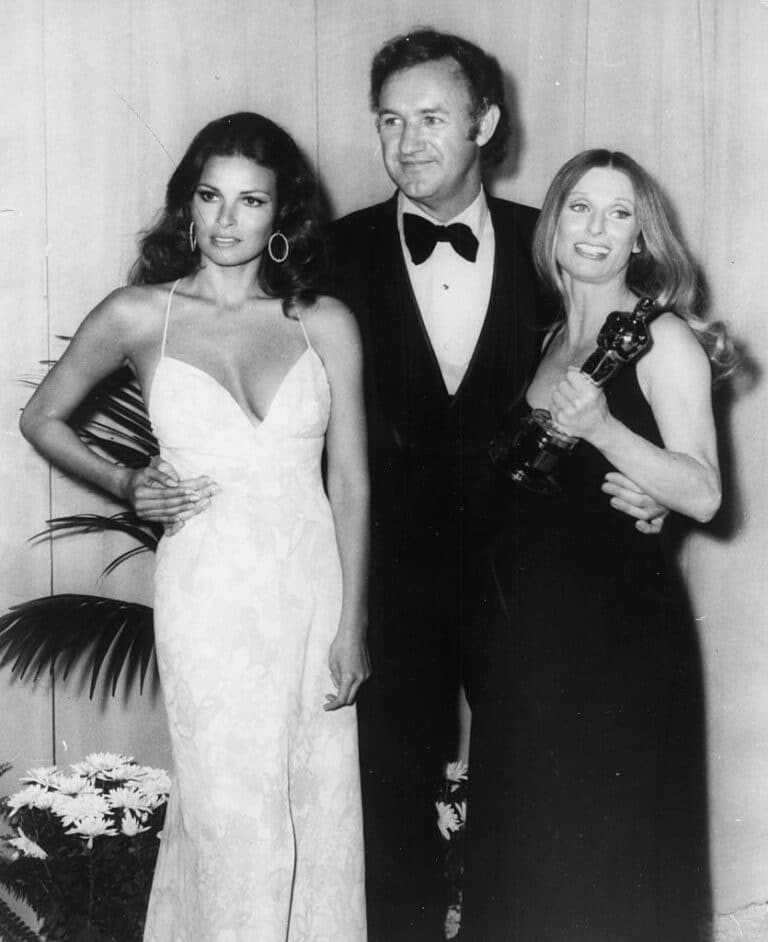
Consider The French Connection, a gritty, groundbreaking thriller that set a new standard for realism in filmmaking. Hackman’s portrayal of Popeye Doyle wasn’t just award-winning; it was transformative. The film’s relentless intensity and no-nonsense storytelling were a stark contrast to today’s heavily produced, CGI-laden blockbusters.
Reflecting on his experience making the film, Hackman once said, “The film was totally different than anything I’d ever done. I’d never shot that much outside, especially in the wintertime, and especially in those conditions where we were just at it all the time. And I don’t think I’d ever been pushed as much by a director either, which was really good for me.”
Throughout his career, Hackman was often described as the quintessential “Everyman.” But ironically, by traditional Hollywood standards, he was anything but average. At over six feet tall, with striking blue eyes and a commanding presence, he had a unique ability to embody the struggles of the ordinary man.
His upbringing played a major role in shaping his worldview. The French Connection director, William Friedkin, once revealed that Hackman’s anti-authoritarian and anti-racist perspectives stemmed from growing up in a town with a strong Ku Klux Klan presence, compounded by the absence of a father figure. This environment left a lasting imprint on Hackman, influencing both his personal beliefs and the authenticity he brought to his characters.
Whether playing a ruthless politician in The Conversation or a morally ambiguous villain in Unforgiven, Hackman had an unmatched ability to bring vulnerability and intensity to his roles. He didn’t need grand gestures or over-the-top theatrics—his presence alone was enough to command the screen. For The Conversation, he even learned to play the saxophone, immersing himself completely in the character.
Unlike many of his contemporaries, Hackman never craved the spotlight. He was a working actor, not a Hollywood personality. “My least favorite thing in the business is having my still photograph taken and doing interviews about films or about my work. It’s very wearying, and I do very little of that anymore,” he admitted.
In many ways, his career symbolized the decline of an era when acting was about the craft rather than the brand. While today’s A-listers often play versions of themselves, Hackman was a chameleon, disappearing into every role.
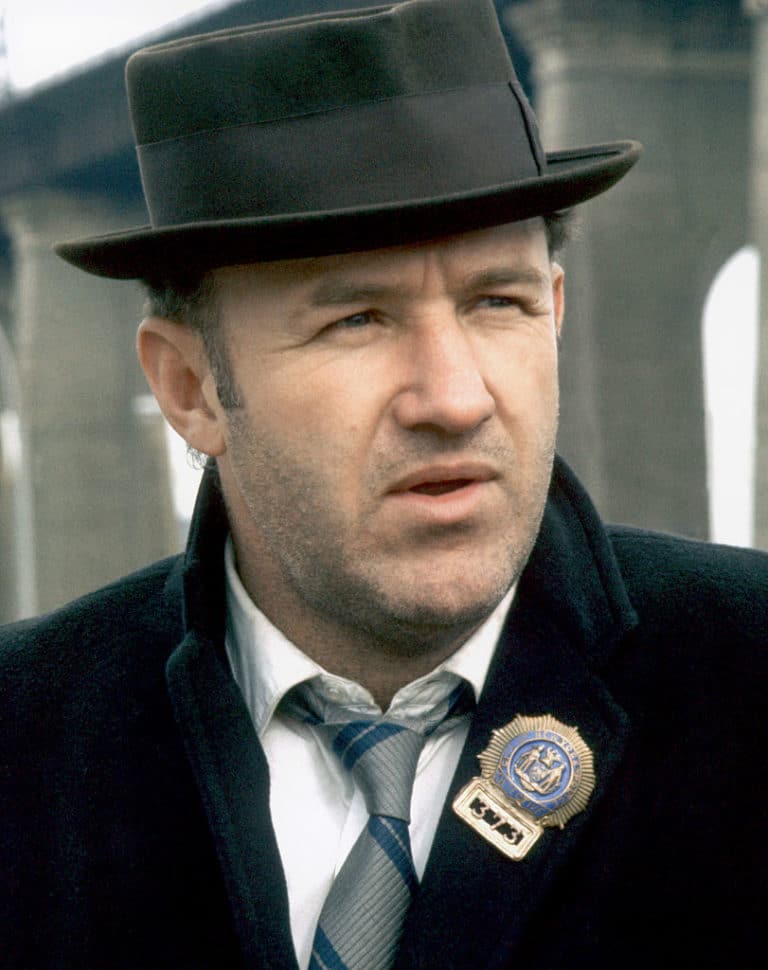
It’s easy to remember his blockbuster hits like Superman and The French Connection, but it was his quieter, more nuanced performances that truly showcased his depth. Over his four-decade career, he earned two Academy Awards, two BAFTA Awards, and four Golden Globes, yet he never seemed to chase accolades. His goal was always to serve the story, not his own image.
Hackman’s absence from Hollywood was deeply felt even before his passing. Unlike many actors who retire and later return for one last hurrah, Hackman remained true to his word. His last film, Welcome to Mooseport in 2004, marked the official end of his on-screen career.
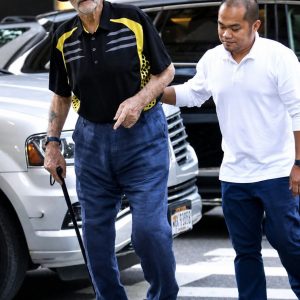
Public sightings of him became so rare that whenever he was seen, it made headlines. In 2023, The New York Post reported on him grabbing a chicken sandwich at a Wendy’s drive-thru before heading home to do yard work. Even in retirement, he remained the no-frills, no-nonsense man he had always been.
One of the few glimpses into his post-Hollywood life came in a rare 2009 interview, where he shared a treasured Friday night tradition with his wife, Betsy Arakawa. The couple would rent low-budget films, drawn to their simple yet powerful storytelling. They also enjoyed the humor of comedian Eddie Izzard, whose sharp wit Hackman admired.
Hackman’s death is more than the loss of a great actor—it marks the end of a filmmaking era built on substance over spectacle. He didn’t rely on flashy special effects or over-the-top action sequences to captivate an audience. He didn’t need to.
In an industry where actors are now more likely to curate an image than inhabit a role, Hackman’s authenticity is a rarity. His passing isn’t just the loss of an individual—it’s the closing of a chapter in Hollywood’s history that may never be rewritten.