Rowling, the globally renowned author of the Harry Potter series, has once again found herself at the center of a heated controversy. This time, the outspoken writer is making headlines for calling Valentina Petrillo, a transgender Paralympic athlete, a “cheater” in a fiery social media post. The comment has ignited a passionate debate about the inclusion of transgender athletes in women’s sports and the boundaries of fairness in competition.
Rowling’s remarks have polarized the public, drawing both praise and condemnation as the conversation around gender identity and athletic integrity continues to evolve.
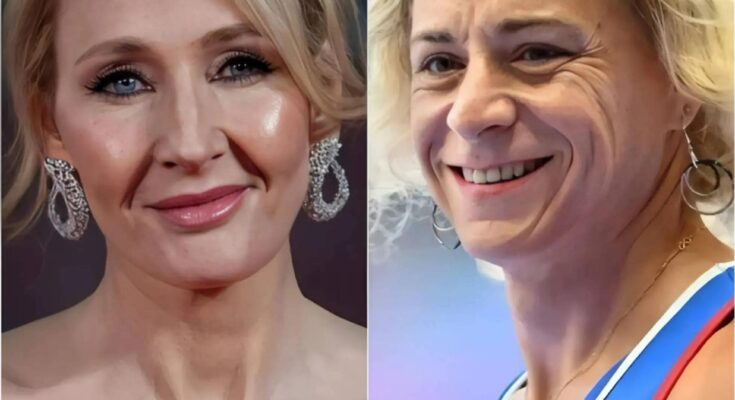
Rowling’s Stance: “Women’s Sports Must Be Protected”
J.K. Rowling is no stranger to controversy when it comes to her views on gender identity. Over the past few years, the author has become a prominent voice in the global debate on transgender rights, often focusing on the impact of gender identity policies on women’s rights and spaces.
In her latest statement, Rowling took aim at Valentina Petrillo, a visually impaired transgender athlete who has competed in several women’s Paralympic events. Petrillo, who transitioned in her 40s, has faced criticism from some quarters for allegedly having an unfair advantage due to her male physiology.
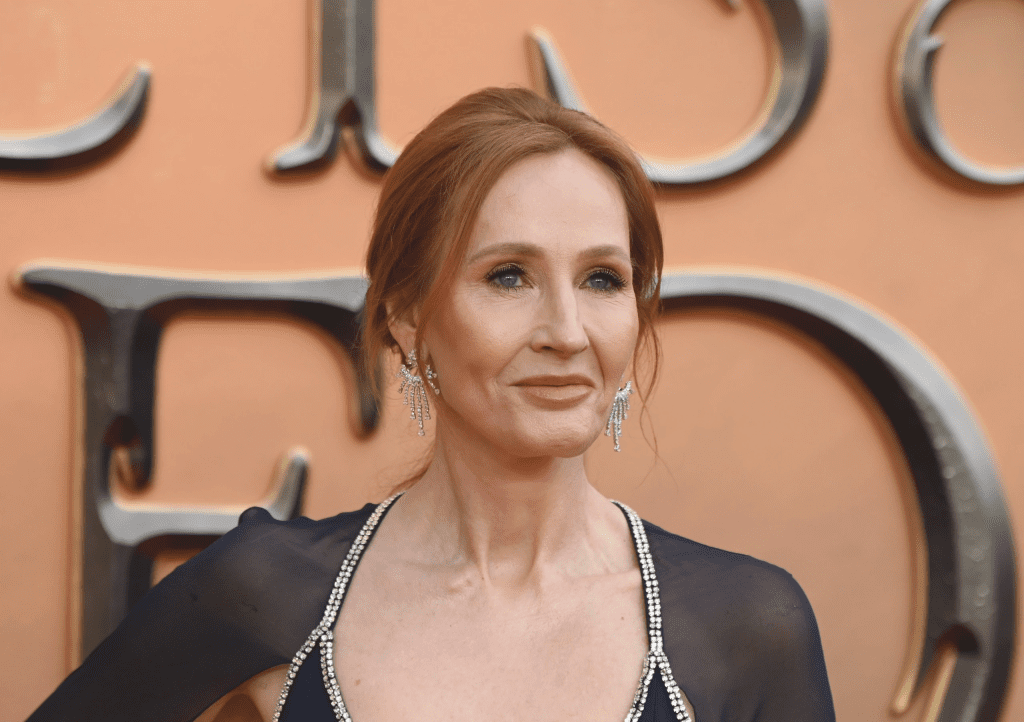
Rowling didn’t mince words.
“Competing in women’s sports while retaining the physical advantages of male biology is not fair—it’s cheating,” she wrote on X (formerly Twitter). “Women’s sports exist to provide a level playing field for female athletes. We must protect that integrity.”
The Athlete at the Center of the Storm: Valentina Petrillo
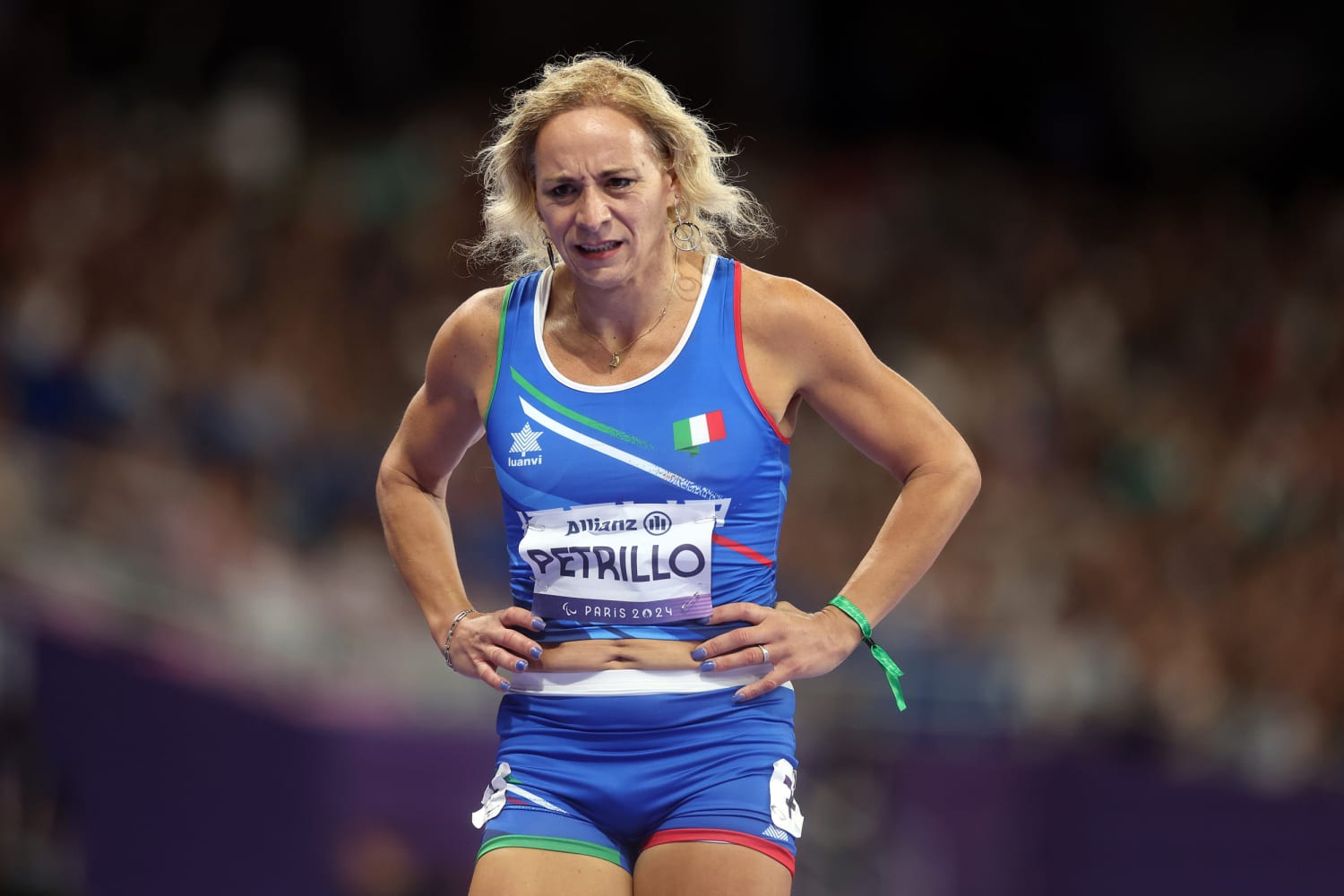
Valentina Petrillo, an Italian sprinter, has made headlines not only for her athletic achievements but also for the controversy surrounding her eligibility to compete in women’s events. Petrillo, who has openly shared her journey as a transgender athlete, argues that she competes in accordance with the rules set by governing bodies, which often include hormone therapy and other measures to level the playing field.
Despite following these guidelines, Petrillo’s participation has sparked a debate about whether transgender athletes, even with reduced testosterone levels, retain physical advantages such as muscle mass, bone density, and lung capacity—factors that could give them an edge over cisgender female competitors.
In response to Rowling’s comments, Petrillo released a statement defending her right to compete:
“I compete according to the rules, and I am proud of what I have achieved. I respect all my fellow athletes and believe in fair competition.”
A Polarizing Debate: Supporters vs. Critics
Rowling’s comments have once again divided public opinion. Supporters of the author argue that she is bravely standing up for biological women in sports, a space that they believe is increasingly under threat.
“J.K. Rowling is right. Women’s sports are meant for biological females, and we need to protect that space,” said Karen Mitchell, a former college athlete and advocate for women’s sports. “If we don’t, we risk erasing decades of progress.”
The hashtag #ProtectWomensSports began trending shortly after Rowling’s post, with many users echoing her concerns about fairness and safety in women’s athletic competitions.
On the other hand, critics have accused Rowling of being transphobic and perpetuating harmful stereotypes about transgender individuals. LGBTQ+ advocacy groups were quick to condemn her remarks, calling them inflammatory and dismissive of the challenges faced by transgender athletes.
“J.K. Rowling’s comments are not only hurtful but dangerous,” said Alex Johnson, spokesperson for a prominent LGBTQ+ rights organization. “Transgender athletes deserve respect and inclusion, and rhetoric like this only fuels discrimination and exclusion.”
The Broader Implications for Women’s Sports
The controversy surrounding Petrillo and other transgender athletes highlights a broader debate about the future of women’s sports. At the heart of the issue is a complex question: how can sports organizations balance inclusivity with fairness?
Several international sporting bodies, including the International Olympic Committee (IOC) and World Athletics, have grappled with this question, implementing policies that aim to allow transgender athletes to compete while maintaining competitive fairness. However, these policies remain contentious and are frequently revised in response to new research and public pressure.
Some experts argue that separate categories or revised eligibility criteria may be necessary to address the concerns of both sides, but such proposals are fraught with logistical and ethical challenges.
Rowling’s Influence: A Catalyst for Conversation
Love her or hate her, J.K. Rowling’s influence on cultural conversations is undeniable. With millions of followers and a global platform, her opinions often serve as a catalyst for public discourse on complex social issues.
While some view her as a champion for women’s rights, others see her as a polarizing figure whose views contribute to a growing cultural divide. Regardless of where one stands, it’s clear that Rowling’s latest comments have reignited a conversation that shows no signs of slowing down.
Conclusion: Navigating a Complex Issue
The debate over transgender athletes in women’s sports is far from settled. As the sports world continues to navigate this complex and evolving issue, voices like J.K. Rowling’s will undoubtedly continue to shape the conversation.
For now, the question remains: Can fairness and inclusivity coexist in competitive sports? And if so, what does that balance look like? As athletes like Valentina Petrillo continue to compete and challenge existing norms, society will be forced to confront these difficult questions head-on.
One thing is certain—this is a debate that goes beyond sports, touching on fundamental issues of identity, fairness, and the evolving definition of equality in the modern world.