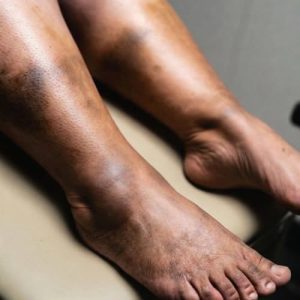
When diabetes and heart disease occur together, early warning signs can appear in the feet. Adults with diabetes face a higher risk of heart disease, and cardiovascular complications remain the leading cause of death among this population. Monitoring foot health is therefore essential.
Chronic high blood sugar damages both small and large blood vessels, a process called microvascular and macrovascular damage. According to the American Diabetes Association and the American Heart Association, diabetes also accelerates atherosclerosis, narrowing arteries and reducing blood flow throughout the body.
Feet are particularly vulnerable because they are farthest from the heart. Reduced circulation combined with nerve damage can lead to serious complications.
Peripheral neuropathy is a common diabetes complication. Nerve damage in the legs and feet can cause numbness, tingling, burning sensations, and reduced sensitivity to pain or temperature. Small injuries may go unnoticed and worsen without treatment.
Peripheral artery disease (PAD) reduces blood flow to the legs and feet, slowing wound healing and increasing the risk of infection, ulcers, and in severe cases, tissue death. When neuropathy and PAD coexist, the risk of serious foot complications rises sharply.
Warning signs include cold feet, swelling, leg pain during walking, slow-healing wounds, and skin discoloration. These symptoms may indicate broader vascular disease, not just local foot issues.
Prevention strategies include annual foot exams, daily self-inspection, tight blood sugar control, and immediate evaluation of injuries. Cardiovascular measures include managing blood pressure and cholesterol, maintaining a healthy weight, quitting smoking, and regular exercise.
Immediate medical attention is required for sudden severe discoloration, signs of infection, rapid swelling, chest pain with leg symptoms, or severe new leg pain. Early detection and management can protect both foot and heart health, emphasizing that monitoring foot health is a critical component of cardiovascular care.