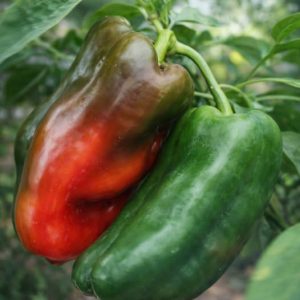
A simple afternoon of cooking turned unexpectedly memorable when a question about paprika sparked a conversation full of humor, surprise, and discovery. While preparing ingredients for her mother-in-law’s cherished goulash recipe, the narrator casually wondered aloud what paprika was made from, admitting uncertainty about whether it came from a root, bark, or seed. The question, innocent and spontaneous, instantly transformed the kitchen atmosphere into one of warm laughter and revelation.
Her mother-in-law paused mid-preparation, amused by the confusion, before explaining that paprika is simply ground sweet red peppers. The narrator, stunned, processed the idea that a spice she had used for years was nothing more exotic than dried peppers. The answer felt almost too simple, shaking the assumption that paprika must have been a mystical or ancient spice derived from some rare plant part.
Realizing how ordinary paprika truly is sparked both laughter and reflection. The narrator recognized that despite years of cooking, she had never questioned the origins of one of her most frequently used spices. The discovery brought a renewed appreciation for paprika’s simplicity and accessibility, revealing beauty in its humble origins.
The conversation deepened as her mother-in-law shared that paprika carries nutritional value many people overlook. Packed with vitamin A, beta-carotene, and other antioxidants, paprika contributes to eye health, immune function, and reduced inflammation. Its health benefits, rooted in the natural carotenoids found in brightly colored vegetables, offered a new reason to appreciate the spice.
Depending on the pepper variety used, paprika can also contain capsaicin, which has been linked to pain relief, improved circulation, heart health, and metabolic support. The narrator learned how historical wisdom and modern science often intersect, illustrating how spices were valued not just for flavor but also for their medicinal qualities.
Their conversation expanded into the many types of paprika—sweet, smoked, and hot—each with unique flavors shaped by tradition and geography. The experience reminded the narrator that even the simplest ingredients can hold surprising stories, enriching both the food we cook and the moments we share.