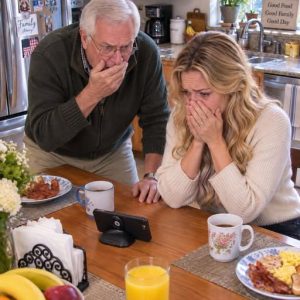
Ana’s death was never supposed to happen. A healthy and ambitious twenty-year-old went from what seemed like “just a bad period” to a fatal emergency within hours. In the aftermath, an entire community has been left in shock. Friends are grieving, doctors are asking difficult questions, and families are suddenly worried about symptoms they once dismissed as normal. What happened to Ana is not only a personal tragedy; it has become a painful wake-up call.
For many people, her story has forced a deeper conversation about how menstrual pain and related symptoms are treated. For generations, young women have often been told that severe discomfort is simply part of life. Phrases like “it’s normal” or “it will pass” have long shaped how people respond to intense cramps or heavy bleeding. Ana’s death has challenged that assumption.
In the days since her passing, discussions have spread across classrooms, clinics, and family dinner tables. People are asking questions that once went unspoken. How much pain is too much? How much bleeding is considered dangerous? When does waiting become a serious health risk instead of patience?
Health professionals are now reflecting on how menstrual complaints are evaluated and treated. Some experts are urging earlier medical investigations when symptoms appear unusually severe or persistent. They also emphasize clearer guidance about when patients should seek urgent care.
Parents, too, are reconsidering how they respond when their children talk about pain. Many say Ana’s story has reminded them of the importance of listening carefully rather than assuming discomfort is routine. Open conversations about health may help young people feel safer seeking help.
Advocacy groups have also begun organizing awareness efforts. Some are working on educational campaigns that encourage better understanding of menstrual health and the warning signs that should never be ignored.
Supporters say Ana’s memory may inspire changes in education and healthcare practices. By raising awareness, they hope fewer warning signs will be dismissed in the future.
Ana’s life was tragically short, but the conversation sparked by her story may save others. Her legacy is becoming a reminder that listening to the body—and to each other—can make the difference between silence and safety.