Sarcopenia: Causes of Muscle Loss and Solutions

Do You Struggle More With Everyday Tasks? It Could Be Sarcopenia

If climbing stairs, carrying groceries, or gardening feels harder than it used to, the reason may not be “just age.” These changes could point to sarcopenia—a gradual but serious loss of muscle mass and strength that affects millions of adults over 50.

Unlike normal aging, sarcopenia is now recognized as a medical condition. It often develops silently, with small declines in mobility or endurance, until daily activities feel noticeably more difficult.

The process can begin as early as age 30, with muscle strength declining slowly over decades. Around 60, the loss tends to accelerate, leaving older adults more vulnerable to falls, frailty, and reduced independence.

Several factors contribute to sarcopenia. Hormonal changes and slower muscle recovery play a role, as does the body’s reduced ability to absorb key nutrients like protein and vitamin D.

Lifestyle habits, however, are often the biggest culprits. Inactivity, poor diet, and deficiencies in essential vitamins and minerals can all speed up muscle decline. Conversely, healthy habits can slow or even reverse the process.

Warning signs may include fatigue, difficulty rising from a chair, slower walking speed, or unintentional weight loss. These subtle shifts are easy to dismiss but may signal the need for medical evaluation.

The good news is that sarcopenia is preventable and manageable. Regular strength training, balanced nutrition, and adequate protein intake are proven strategies to maintain muscle health well into later life.

Recognizing the early signs and making small lifestyle changes can make a profound difference. By addressing sarcopenia proactively, adults over 50 can preserve strength, independence, and quality of life.


Related Posts

Her Husband Lied About Cheating Until He Revealed The Truth Five Years Later

“I’ve been seeing someone,” my husband, Daniel, told me nineteen days after my mother died. Sitting at our kitchen table, I asked how long it had been going on. “Long… CONTINUE READING

If You Find This Common Insect in Your Home, Here’s What You Should Know

Finding an unfamiliar insect inside your home can be surprising, but one insect does not automatically mean you have an infestation. Many insects occasionally enter houses while searching for food,… CONTINUE READING

Don’t get fooled by the supermarkets. They’re selling you meat from… See more

The bright red steak displayed in a supermarket may look especially fresh, but color alone cannot tell you whether meat is safe or of good quality. Before buying your next… CONTINUE READING

Caught Sleeping in the Middle of the Day: A Camera Clip Raises Questions About What Happens Behind Closed Doors

A security camera captured an unexpected midday scene inside a small family living space. Several people were sleeping together on a mattress surrounded by pillows, blankets, kitchen equipment, storage cabinets,… CONTINUE READING

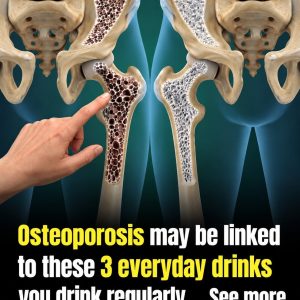
Osteoporosis may be linked to these 3 everyday drinks you drink regularly…. See more

Osteoporosis is a condition that weakens bones over time, often without noticeable symptoms until a fracture occurs. Although aging plays a major role, everyday habits, including what we drink, can… CONTINUE READING

Eating Peanuts Regularly? Here’s What Doctors Say Could Happen

Eating peanuts every day can provide several health benefits when consumed in moderation. Although technically legumes, peanuts contain protein, healthy fats, fiber, vitamins, and minerals that support important bodily functions…. CONTINUE READING

Leave a Reply

Your email address will not be published. Required fields are marked *